
Why Strengthening the Body Also Strengthens the Mind
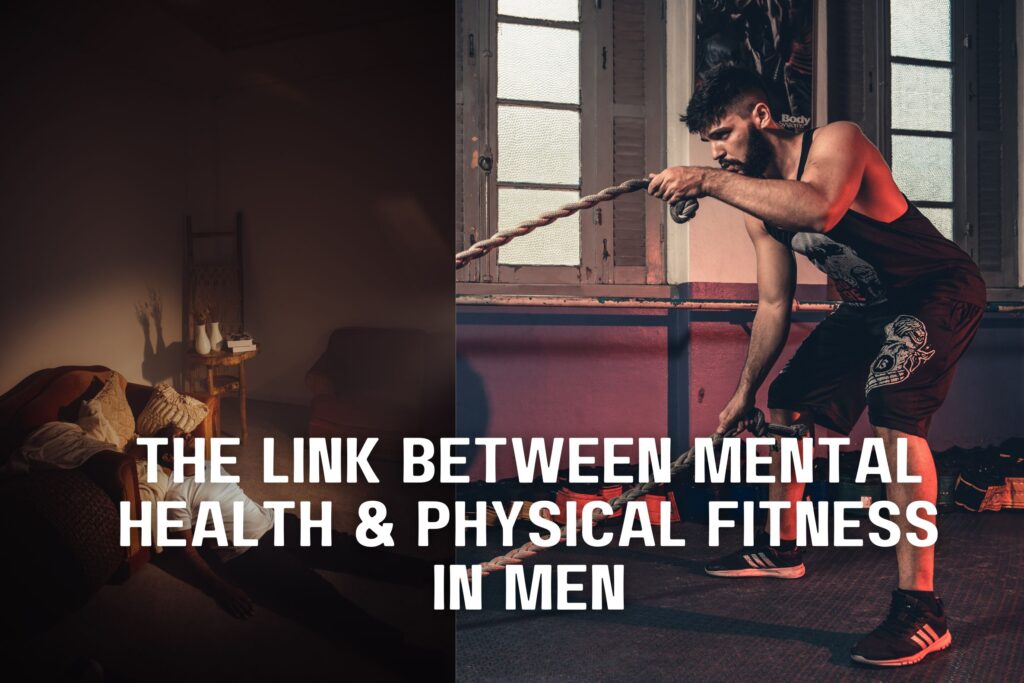
When it comes to health, men often focus heavily on physical fitness—muscle gain, endurance, or losing weight. But what’s often overlooked is the powerful connection between mental health and physical wellness. The two are not separate journeys; they work hand-in-hand. In fact, building a stronger body often results in a stronger, more resilient mind.
How Exercise Directly Supports Men’s Mental Health
Research shows that regular physical activity reduces symptoms of depression, anxiety, and stress while improving self-esteem, cognitive function, and overall psychological well-being.
- Exercise triggers the release of endorphins and other neurotransmitters (like serotonin and norepinephrine) that enhance mood and reduce stress.
- It increases blood flow to the brain, supporting memory, focus, and long-term brain health.
- Systematic reviews and network meta-analyses conclude that exercise is an effective treatment for depression, with walking/jogging, yoga, and strength training showing particularly strong effects.
A classic overview notes that exercise improves mental health by reducing anxiety, depression, and negative mood and by improving self-esteem and cognitive function, with benefits that can persist long after structured programs end. A landmark review from the NIH notes that exercise improves mental health by reducing anxiety, depression, and negative mood and by improving self-esteem and cognitive function
Why This Link Matters Especially for Men
Men face unique pressures: expectations to be “strong,” provide financially, and suppress emotional vulnerability, all of which increase stress while discouraging help-seeking.
- Many men prefer to “handle it themselves,” and some lean on the gym as their only outlet while avoiding therapy or medical care due to stigma.
- Surveys highlight that men often focus on physical strength and appearance while overlooking mental health, even when anxiety, burnout, or depressive symptoms are present.
This makes exercise a critical bridge: a familiar, socially accepted behavior that can be reframed not just as “getting in shape,” but as training the brain and nervous system for resilience.
What Types of Exercise Help Most?
Evidence suggests multiple forms of movement can support mental health; the key is consistency and enjoyment.
- Aerobic exercise (walking, jogging, cycling): Reduces depression and anxiety, boosts mood, and improves sleep—benefits comparable to medication in some mild to moderate cases.
- Strength training: Improves mood, self-efficacy, and body image; some studies suggest it may be particularly helpful for depressive symptoms and confidence.
- Mind–body movement (yoga, tai chi): Combines physical activity with breath and mindfulness, improving stress regulation and emotional balance.
A large analysis concludes that exercise is an effective treatment for depression, with walking/jogging, yoga, and strength training showing moderate to large reductions in depressive symptoms and good tolerability.
Exercise Is Not a Substitute for Mental Health Care—It’s a Powerful Partner
While exercise is a potent tool, experts stress that it should complement, not replace, appropriate mental health care when needed.
- For mild to moderate symptoms, physical activity may act as a frontline intervention and help prevent relapse.
- For more severe depression, anxiety, or suicidal thoughts, combining exercise with therapy and/or medication often yields the best outcomes.
- Reviews on men and mental health underline that stigma, fear of seeming weak, and cultural expectations still keep many men from seeking professional support, despite clear benefits.
The most effective mindset: exercise as a foundation and amplifier for therapy, medication, coaching, and functional medicine—not a lone solution.
Call to Action
“If you are using the gym to cope with stress but still feel stuck in cycles of burnout, low mood, or anxiety, consider a Men’s Mental Fitness & Longevity Consultation with Dr. Shiv Kumar Goel at Prime Vitality Total Wellness and Medical Spa in San Antonio, where your training plan can be aligned with nervous-system, hormonal, and mental health support.”
Link that phrase to:https://www.primevitalitycare.com/mens-mental-fitness-consultation
Author Bio.
Dr. Shiv Kumar Goel is a board-certified internal medicine physician and founder of Prime Vitality Total Wellness and Medical Spa in San Antonio, Texas. He focuses on men’s health, functional medicine, and mind–body optimization, helping men use physical fitness, nervous-system regulation, and targeted medical care to build mental clarity, emotional resilience, and long-term performance. Learn more about his credentials and Prime Vitality’s 5‑star recognition at Awards & Trust – Prime Vitality 5‑Star Medical Spa.